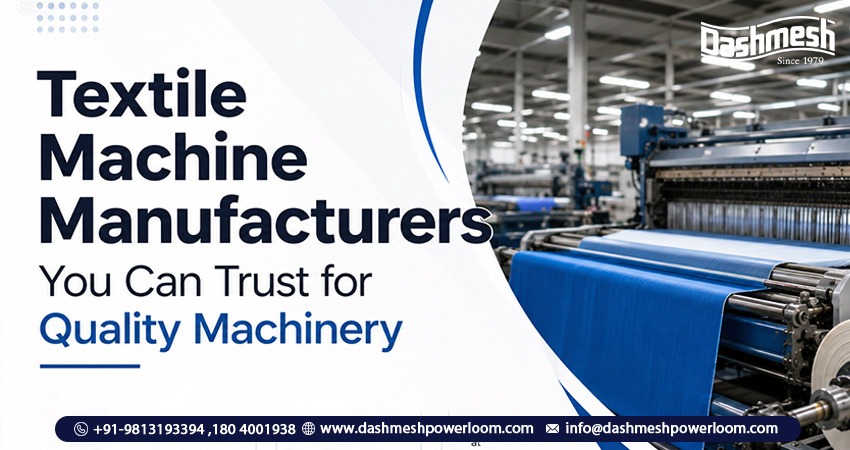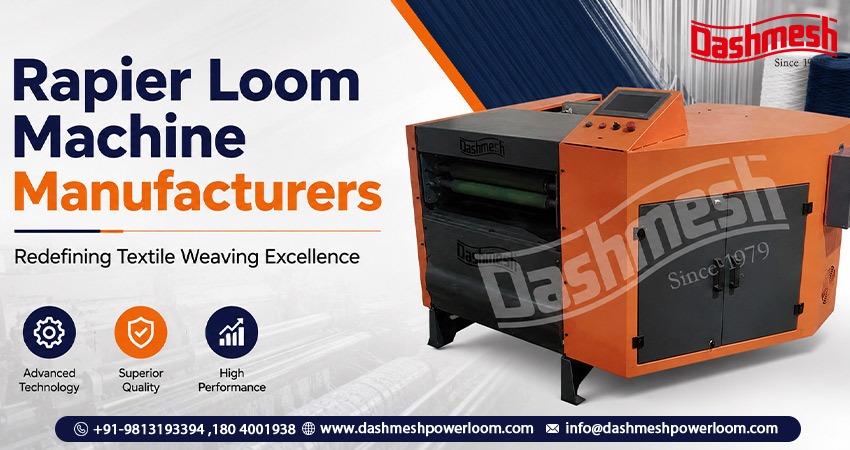


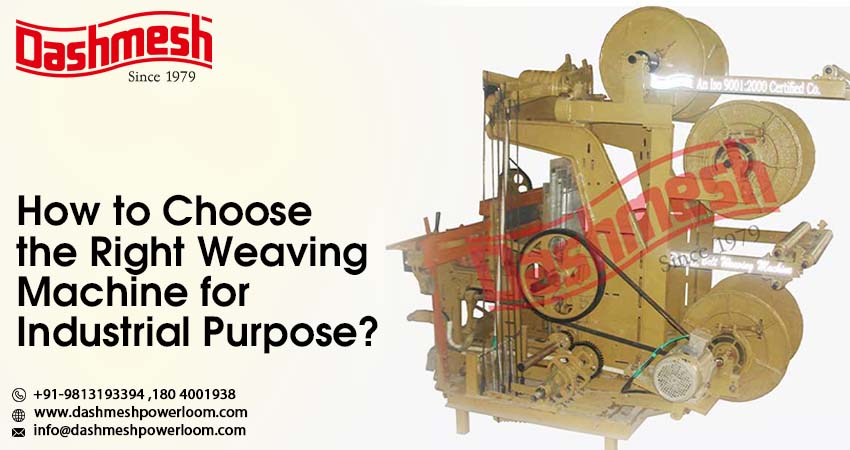
Weaving Machine Manufacturers in India: The efficiency, quality, and profitability of textile production rely on carefully selecting the right weaving machine. When starting a new textile business or upgrading existing equipment, choosing the right weaving machine requires considering some factors.
Every decision affects your firm's functioning and outcome, from understanding various weaving technologies to assessing production needs and budgetary limitations.
The main aim of this guide is to make it easier for you to choose a weaving machine by highlighting what should be considered before buying and giving useful tips on matching your requirements with appropriate equipment.
In the textile industry, weaving machines are the mainstay of production since they give yarns a great variety of patterns and designs. They remain crucial for anyone participating in this sector including entrepreneurs, manufacturers as well as for designers.
Fabrics are created by weaving machines through the intertwining of two groups of yarns:
This Process Involves:
Modern machines, however, have adopted more efficient techniques that result in accurate and high speed production processes for fabrics.
For choosing the right weaving machine, some factors need to be taken into account. These include production requirements, fabric types, budget constraints, and technological preferences. This way manufacturers and textile business persons must strike a balance between these factors to buy machinery that will enhance productivity, eliminate downtime, and meet market needs.
Choosing the right industrial weaving machine is about considering various crucial aspects that ensure maximum performance, efficiency, and quality of the product. Here’s a guide to make sure that you are making an informed choice:
1. Assess Production Needs: Determine the kind of fabrics that will be produced such as heavy duty materials, fine textiles, or specialty fabrics. The production volume should be determined. High volume operations might benefit from high speed looms like air jet or water jet looms.
2. Understand Machine Types
3. Consider Technological Features: Machines that employ automated features such as electronic controls, automatic tension adjustment, and computerized pattern programming enhance their precision and efficiency. Buy devices incorporating energy friendly technologies to reduce operational expenses.
4. Evaluate Budget and Costs: Try to strike a balance between initial costs against long term benefits. Advanced machines may cost more initially but offer increased efficiencies and lower maintenance costs over time. Think about power consumption, maintenance together with labor costs.
5. Supplier Reputation and Support: Choose a reputable supplier known for quality machines and reliable after sales support training, technical assistance, readily available spare parts, etc should be provided by them.
6. Assess Infrastructure: Make sure that your facilities can accommodate these requirements including space size availability, electricity supply, and environmental conditions.
7. Plan for Scalability: Choose machines that can be upgraded or expanded in the future to meet changing production needs and market demands.
Choosing the right weaving machine for industrial purposes involves a comprehensive evaluation of your production needs, fabric types, technological features, budget, and supplier support. Therefore choosing a machine that will add efficiency to its operation while at the same time maintaining high-quality standards with growth potentials is possible by examining these factors.
Dashmesh Powerloom is one of the recognized textile industry players who are engaged in manufacturing, Weaving Machine Manufacturers in India that can deliver quality products.
Copyright © 2026 Dashmesh Jacquard And Powerloom Pvt. Ltd. All Rights Reserved | Developed By: Intellistall Pvt. Ltd.