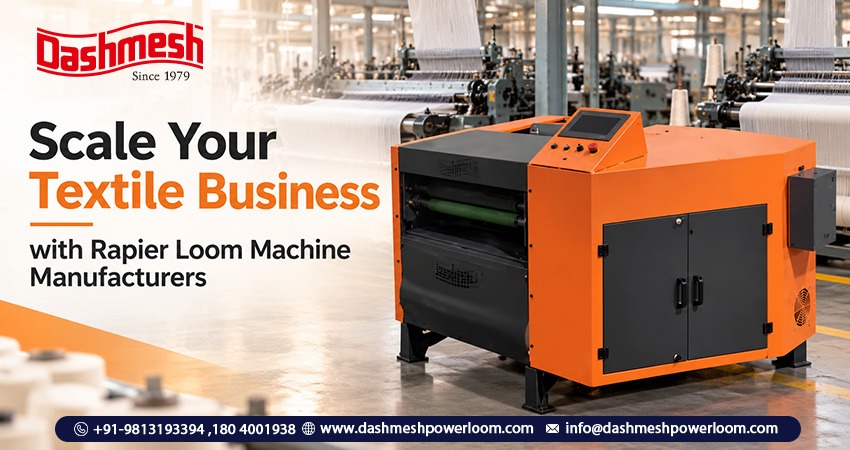


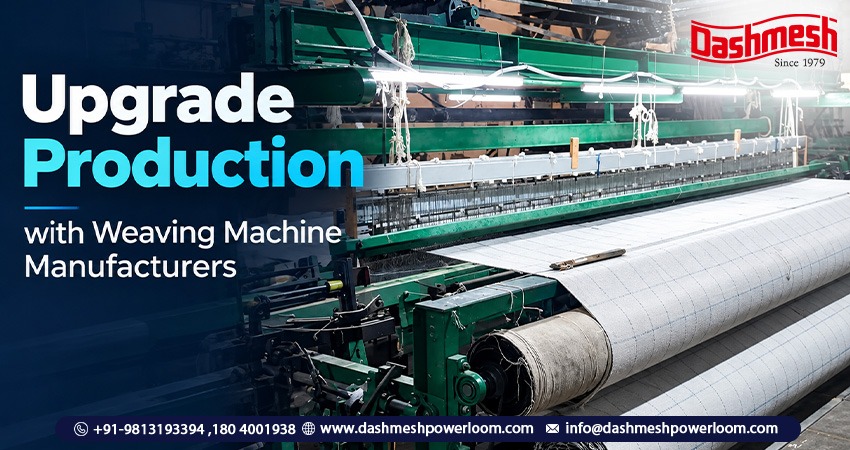
The textile industry is experiencing a massive shift in technology, especially when it comes to requirements for increased speed, detailed design options and reduced material wastage. In the era of digitalization, forward-thinking textile companies are seeking the best weaving machine manufacturers to transform their floor operations. We'll take a look at how high-speed jacquard systems increase capacity, the smart features to consider for today's machinery and how to select the right equipment manufacturer to improve your overall operational yield.
Buying industrial looms and jacquard machines is not only a matter of replacing old machines, but it is also a matter of scaling up your production to meet contemporary market demands. Leading manufacturers of weaving machines design solutions that offer a seamless mix between craftsmanship and automation.
Use of energy and raw materials constitutes a large portion of operating costs. Today's weaving technology combines energy efficient servo drives, direct-drive motors and intelligent friction controls, which use much less electricity per meter of fabric produced. In addition, the uniform fabric quality from edge to edge is achieved due to the automatic tension regulation. In collaboration with progressive weaving machine manufacturers, you can be assured of having machines that reduce your carbon footprint and ensure maximum ROI.
When selecting equipment, consider certain technological developments that will help you get a long-term return on investment:
Improved textile facilities allow your mill to expand into niche and specialty markets with high value-added products such as specialty upholstery, luxury clothing and industrial textiles. With advanced weaving setups, mill managers can produce small volumes of high-value products while maintaining bulk production without having to shut down weaving lines for lengthy re-tooling. This flexibility will provide manufacturers a distinct competitive advantage in the rapidly changing marketplace.
The best solution to ensure product uniformity, reduce production costs and satisfy growing market requirements is to upgrade your facility's machinery. When you invest in the best quality Weaving Machine Manufacturers like Dashmesh Jacquard, you ensure that your factory has strong machines that are durable, high in performance and are constantly being innovated.
Copyright © 2026 Dashmesh Jacquard And Powerloom Pvt. Ltd. All Rights Reserved | Developed By: Intellistall Pvt. Ltd.